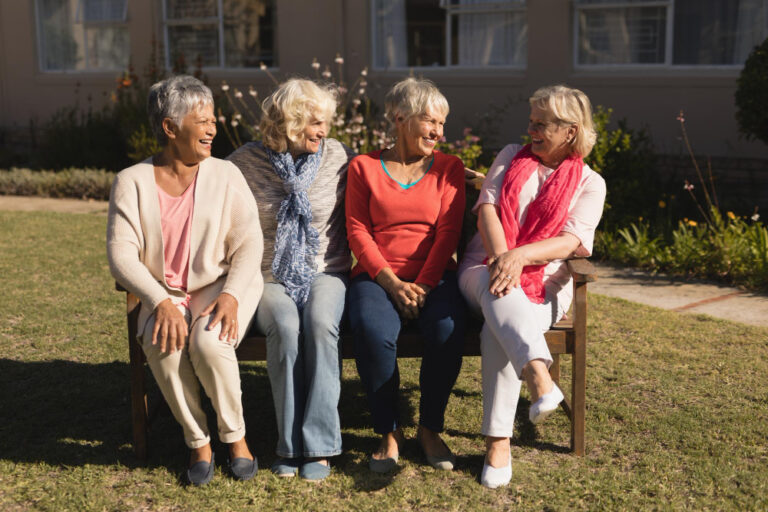
Making new friends later in life can feel intimidating—but it’s also one of the most rewarding things seniors can do for their emotional and physical well-being. Retirement, relocation, health changes, or the loss of a spouse can shrink social circles, yet the desire for connection never goes away. The good news is that friendship in later life is absolutely possible—and often deeper, more meaningful, and more intentional than earlier relationships.
This guide explores realistic, effective ways seniors can build new friendships and maintain strong social networks in their later years.
WHY FRIENDSHIPS MATTER MORE WITH AGE
Strong social connections are linked to:
Better mental health and lower rates of depression
Improved cognitive function
Reduced feelings of loneliness and isolation
Greater sense of purpose and belonging
Even improved physical health outcomes
Friendship isn’t a luxury—it’s a key part of healthy aging.
START WITH SHARED INTERESTS, NOT SMALL TALK
Friendships form more naturally when people come together around something they enjoy.
Join Clubs or Interest Groups
Clubs offer built-in conversation starters and regular interaction.
Popular senior-friendly options include:
Book or discussion clubs
Gardening or walking groups
Craft, art, or quilting circles
Music, choir, or theater groups
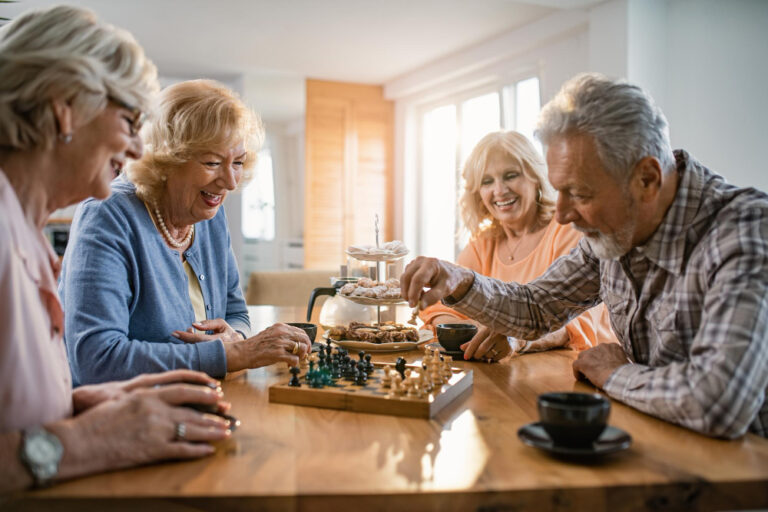
Card and board game groups
Consistency matters—seeing the same people regularly helps trust and familiarity grow.
TAKE CLASSES AND LEARN ALONGSIDE OTHERS
Learning something new is one of the best ways to meet people at any age.
Great Class Options for Seniors
Community education classes
Fitness or movement classes
Technology or computer workshops
Cooking, art, or language courses
Classes remove pressure because conversation happens naturally through shared experiences and questions.
VOLUNTEER AND BUILD PURPOSE-DRIVEN FRIENDSHIPS
Volunteering creates meaningful connection because it’s rooted in shared values.
Benefits of Volunteering
Sense of purpose
Regular social interaction
Opportunities to give back
Natural teamwork and conversation
Volunteering at libraries, food banks, schools, museums, hospitals, or faith-based organizations often leads to friendships formed through service.
USE SENIOR CENTERS AND COMMUNITY SPACES
Senior and community centers are designed specifically to support social connection.
Many offer:
Group outings and day trips
Educational talks
Exercise and wellness classes
Social lunches or coffee hours
These spaces remove barriers by welcoming newcomers and encouraging participation.
BE OPEN, EVEN WHEN IT FEELS UNCOMFORTABLE
Making new friends requires vulnerability—especially later in life.
Helpful Mindset Shifts
You are not “too old” to make friends
Others are often hoping someone will reach out
Awkward first conversations are normal
Connection grows over time, not instantly
Simple gestures—introducing yourself, asking someone to sit with you, or suggesting coffee—can open the door to friendship.
MAINTAIN EXISTING RELATIONSHIPS WHILE BUILDING NEW ONES
Friendship networks thrive when both old and new relationships are nurtured.
Simple Ways to Stay Connected
Schedule regular calls or meetups
Send notes or messages
Celebrate birthdays and milestones
Be consistent rather than occasional
Even one or two meaningful friendships can make a huge difference.
USE TECHNOLOGY TO SUPPORT SOCIAL CONNECTION
Technology can help seniors expand social circles—especially for those with mobility limitations.
Helpful tools include:
Group chats with friends or clubs
Video calls for regular check-ins
Online interest groups or classes
Community event calendars
Technology doesn’t replace in-person connection—it supports it.
OVERCOME COMMON BARRIERS TO FRIENDSHIP
Fear of Rejection
Most people appreciate kindness and initiative. A friendly invitation is rarely unwelcome.
Health or Mobility Challenges
Choose activities that match energy levels and accessibility needs—connection matters more than location.
Loss or Grief
After loss, it’s normal to withdraw. Re-entering social spaces slowly and gently is okay.
WHAT FRIENDSHIP LOOKS LIKE IN LATER LIFE
Friendship doesn’t have to mean constant activity or deep sharing right away. It might look like:
A walking partner
Someone to sit with at events
A regular phone call
A shared hobby
These relationships often grow into trusted companionship over time.
Making new friendships later in life is not only possible—it’s life-enhancing. By joining clubs, taking classes, volunteering, and staying open to connection, seniors can build supportive, meaningful relationships that enrich daily life.
💡 Friendship isn’t about how long you’ve known someone—it’s about how connected you feel when you’re together.