How Can Seniors Adapt Their Homes to Prevent Falls?
Falls are one of the leading causes of injury among older adults, but the good news is that many falls are preventable. With a few thoughtful home modifications, seniors can significantly reduce their risk of falling and maintain independence, confidence, and safety at home.
Below are practical, realistic ways seniors and their families can adapt a home to prevent falls—without major renovations.
IMPROVE LIGHTING THROUGHOUT THE HOME
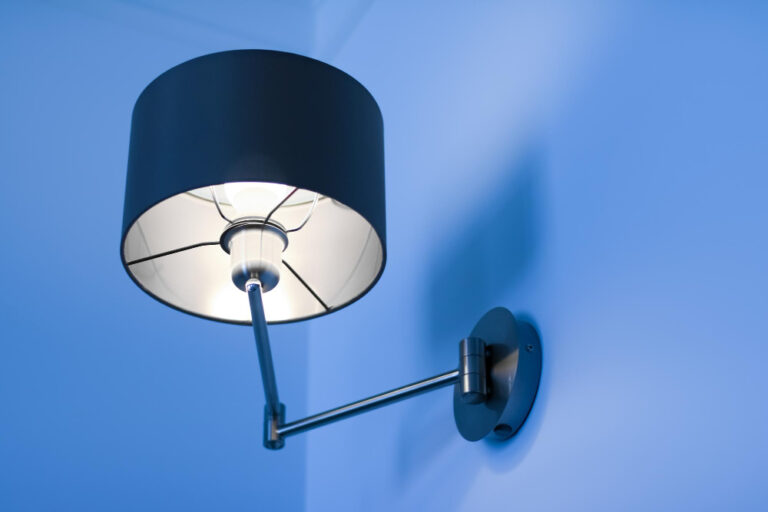
Poor lighting is one of the most common contributors to falls, especially as vision changes with age.
Simple lighting upgrades include:
Replace dim bulbs with brighter, energy-efficient LED bulbs
Add nightlights in bedrooms, hallways, and bathrooms
Install motion-sensor lights for hallways, bathrooms, and entryways
Make sure light switches are easily accessible at room entrances
👉 Tip: Keep a lamp within arm’s reach of the bed to avoid walking in the dark.
REMOVE COMMON TRIP HAZARDS
Everyday items can quietly become fall risks.
Key areas to address:
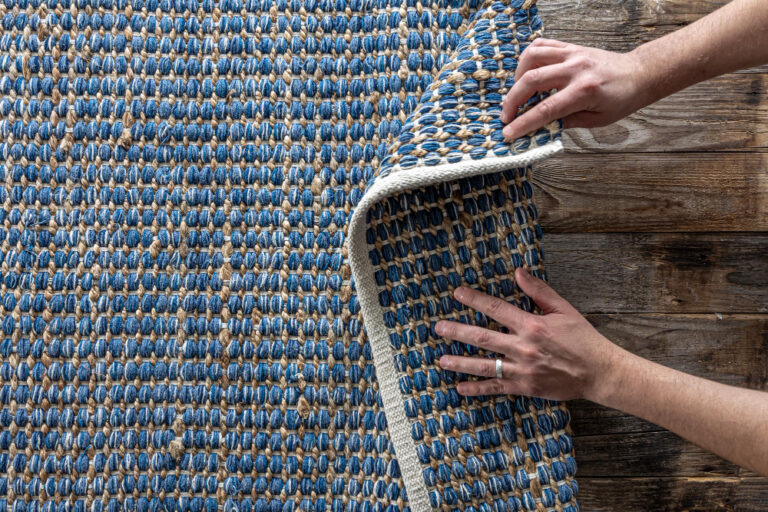
Remove loose throw rugs or secure them with non-slip backing
Keep walkways clear of cords, clutter, and small furniture
Repair uneven flooring or raised thresholds
Tuck away pet toys, shoes, and other frequently misplaced items
A clutter-free home is one of the simplest and most effective fall-prevention strategies.
INSTALL HANDRAILS AND GRAB BARS
Support features provide stability where falls are most likely to occur.
Recommended installations include:
Handrails on both sides of staircases
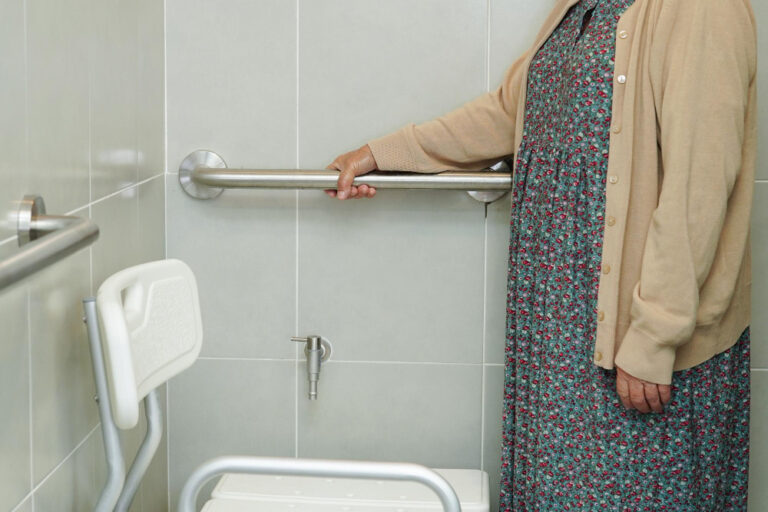
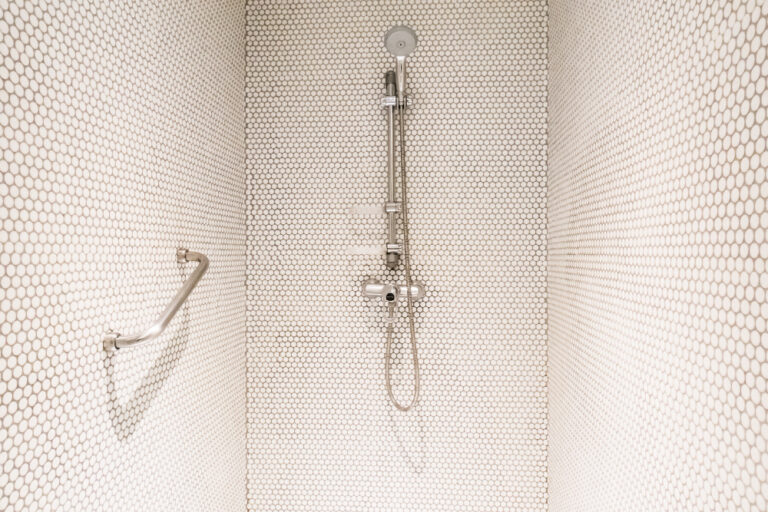
Grab bars near toilets and inside showers or tubs
Railings along long hallways or ramps
⚠️ Towel bars are not a safe substitute for grab bars—make sure supports are properly anchored.
MAKE BATHROOMS SAFER
Bathrooms are one of the most dangerous rooms for falls due to slick surfaces.
Helpful bathroom modifications:
Non-slip mats inside and outside the shower or tub
Walk-in showers or low-threshold tubs
Shower chairs or transfer benches
Raised toilet seats for easier sitting and standing
These small changes can dramatically reduce fall risk while preserving dignity and comfort.
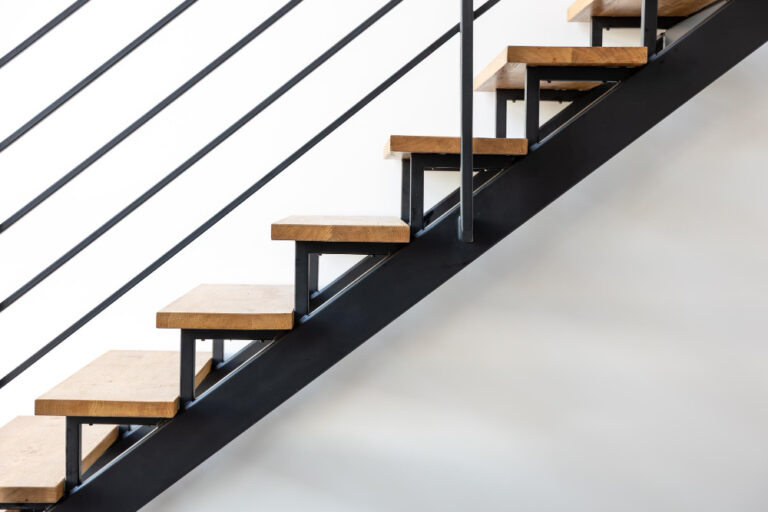
IMPROVE STAIR SAFETY
Stairs deserve extra attention.
To reduce stair-related falls:
Add non-slip stair treads
Ensure stair edges are clearly visible (use contrasting tape if needed)
Keep stairs well-lit from top to bottom
Fix loose steps or railings promptly
If stairs become too challenging, a main-floor living setup may be worth considering.
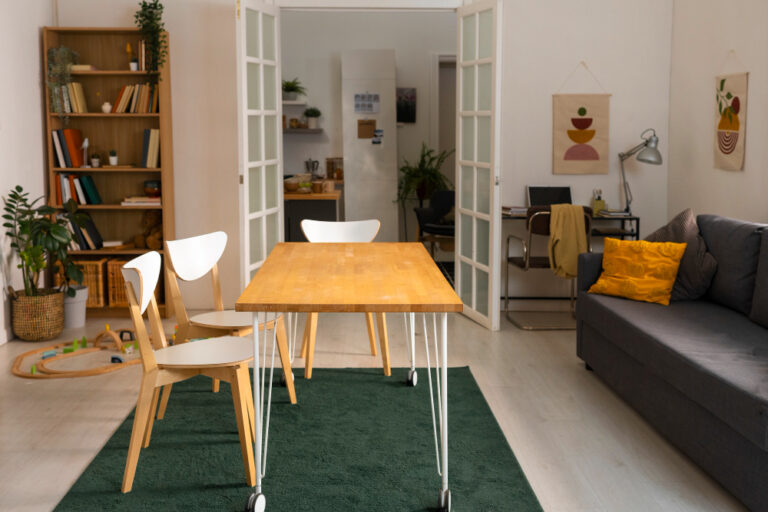
REARRANGE FOR EASE OF MOVEMENT
The way furniture is arranged can impact balance and mobility.
Helpful adjustments include:
Create wide, clear walking paths
Place frequently used items within easy reach
Avoid low or unstable seating
Choose chairs with arms to assist with standing up
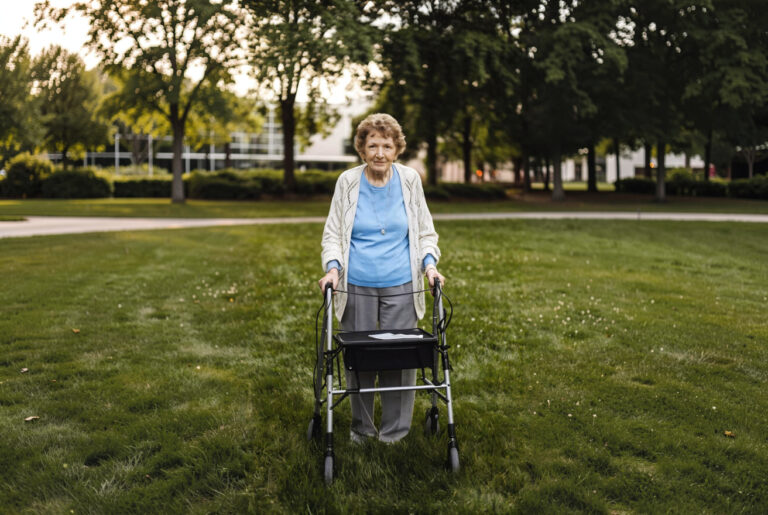
CONSIDER ASSISTIVE DEVICES WHEN NEEDED
Mobility aids are tools for independence—not signs of weakness.
Examples include:
Canes or walkers (properly fitted)
Reachers or grabbers for high shelves
Bed rails or transfer poles
A physical or occupational therapist can help recommend appropriate tools.
SCHEDULE A HOME SAFETY ASSESSMENT
A professional home safety evaluation can identify risks that are easy to overlook.
Occupational therapists can assess movement patterns
Aging-in-place specialists can suggest modifications
Family members can help walk through the home with a fall-prevention checklist
PREVENTING FALLS DOESN'T REQUIRE A FULL REMODEL
Small, proactive changes can make a big difference in safety, confidence, and quality of life for seniors. By improving lighting, removing trip hazards, adding support features, and organizing the home with mobility in mind, seniors can continue living comfortably and independently in their own space.
If you’d like help planning for aging safely at home—or understanding how home modifications fit into long-term care planning—support and guidance are available.
💡 A safer home today can mean more independence tomorrow.