What Transportation Options Are Available for Seniors Who No Longer Drive?
Giving up driving can be an emotional and practical transition for many seniors. Driving often represents independence, freedom, and connection—but stopping doesn’t have to mean isolation. Today, there are many safe, flexible transportation options designed specifically to help older adults stay active, social, and independent.
Below is a helpful overview of the most common and reliable transportation alternatives for seniors who no longer drive.
PUBLIC TRANSPORTATION WITH SENIOR-FRIENDLY FEATURES
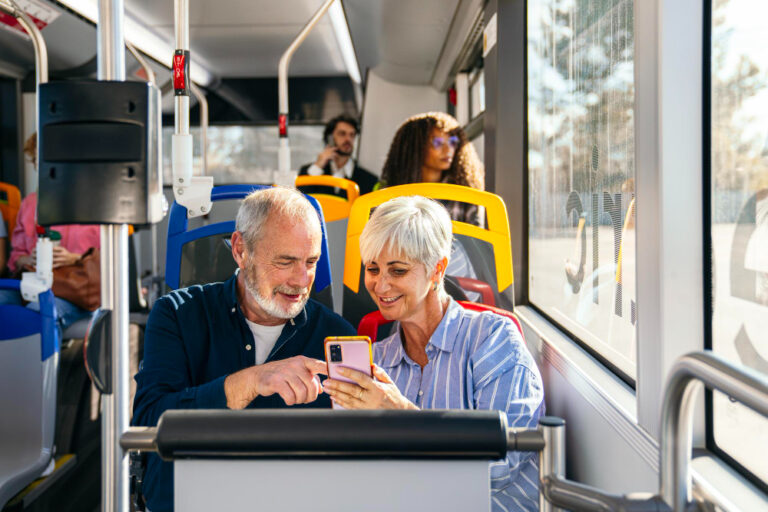
Many cities and counties offer public transit options adapted for older adults.
Common senior-friendly features include:
Reduced or free fares for seniors
Priority seating
Low-floor buses or wheelchair-accessible vehicles
Audible stop announcements and visual signage
Some public transit systems also offer paratransit services, which provide door-to-door transportation for individuals who are unable to use standard buses or trains due to mobility or health limitations.
👉 Tip: Local city or county transportation departments can provide schedules, senior passes, and eligibility information.
SENIOR SHUTTLE SERVICES
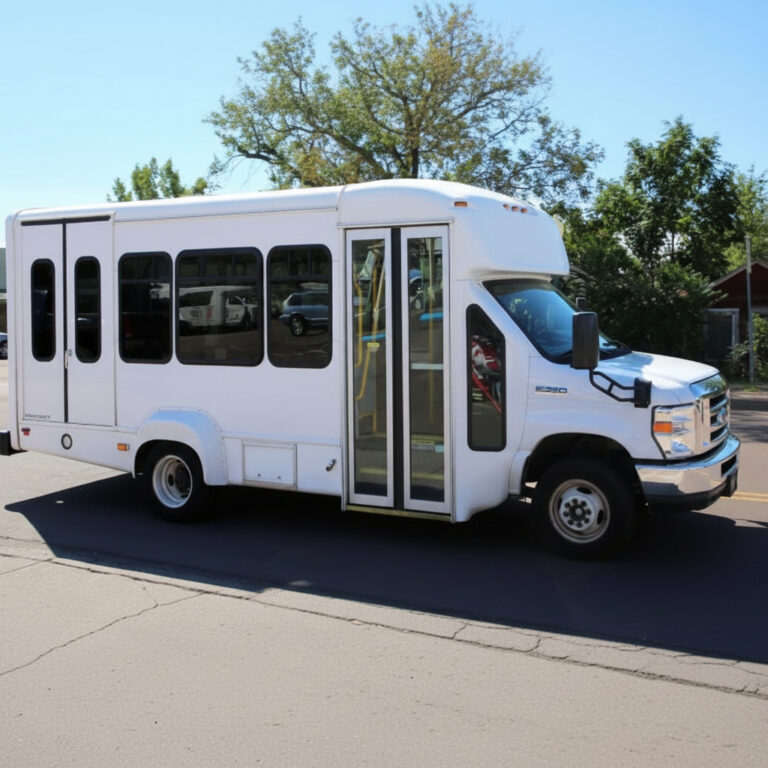
Senior shuttles are one of the most popular and convenient transportation options for older adults.
These services often provide rides to:
Medical appointments
Grocery stores and pharmacies
Senior centers and community events
Religious services
Shuttle services may be offered by:
Senior centers
Retirement communities
Nonprofit organizations
City or county aging services
Some shuttles run on fixed schedules, while others allow advance reservations.
RIDESHARE SERVICES DESIGNED FOR SENIORS
While popular rideshare apps are widely used, many seniors prefer services that offer extra assistance and human support.
Senior-focused rideshare programs often include:
Phone-based booking (no smartphone required)
Drivers trained to assist older adults
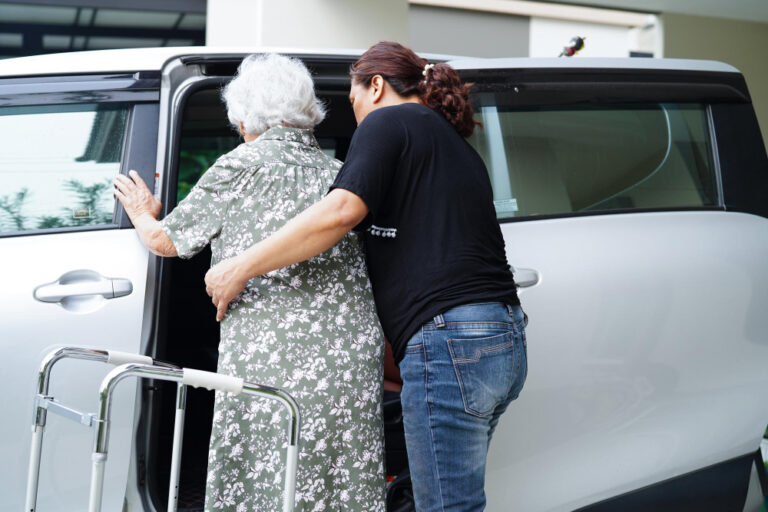
Help getting in and out of the vehicle
Door-through-door or door-to-door service
These services can be ideal for seniors who want flexibility without the stress of managing technology.
VOLUNTEER DRIVER PROGRAMS
Volunteer driver programs are commonly run by nonprofit organizations, churches, or community groups.
How they work:
Trained volunteers use their personal vehicles
Rides are often provided for medical visits or essential errands
Services may be free or donation-based
This option not only supports mobility but also fosters social connection and community involvement.
FAMILY, FRIENDS, AND CAREGIVER SUPPORT
Many seniors rely on a network of family members, friends, or caregivers for transportation.
Helpful strategies include:
Coordinating a shared calendar for rides
Combining errands to reduce travel needs
Scheduling regular “ride days” for consistency
While this option is flexible, it’s important to avoid caregiver burnout by mixing in other transportation resources.
MEDICAL TRANSPORTATION SERVICES
Some healthcare providers and insurance plans offer non-emergency medical transportation for eligible seniors.
These services may include:
Transportation to doctor appointments
Dialysis or therapy visits
Hospital discharge rides
Availability often depends on insurance coverage, so it’s worth asking providers or case managers about options.
COMMUNITY AND FAITH-BASED TRANSPORTATION PROGRAMS
Local community organizations and faith-based groups often provide transportation for seniors, especially those with limited income or support.
These programs may focus on:
Medical appointments
Grocery shopping
Social or religious activities
They are often low-cost or free and tailored to the needs of local residents.
PLANNING AHEAD MAKES A DIFFERENCE
Transportation needs tend to increase over time. Planning early allows seniors and families to:
Explore multiple options
Identify affordable and reliable services
Maintain independence longer
Reduce stress during transitions
Creating a transportation plan can be an important part of broader aging and long-term care planning.
Not driving doesn’t mean giving up independence. With the wide range of transportation options available today—public transit adaptations, senior shuttle services, volunteer drivers, and senior-friendly rideshare programs—older adults can continue to live active, connected lives.
Understanding these options ahead of time helps seniors and families make confident, informed decisions and ensures that mobility remains a strength, not a limitation.
💡 Staying mobile means staying engaged—and the right transportation plan makes all the difference.