What Assets are Exempt from Medicaid's Asset Test?
Navigating Medicaid eligibility can be a complex process, especially when it comes to understanding which of your assets are considered in determining your qualifications for benefits. For many seniors, Medicaid provides a vital safety net that helps cover the costs of long-term care, including nursing home care and home health services. Knowing which assets are exempt is crucial to planning for the future without jeopardizing your eligibility.
Understanding Medicaid's Asset Test
Medicaid’s asset test is designed to ensure that those who need financial assistance for medical and long-term care expenses are the ones who receive it. However, not all assets count towards the asset limits set by Medicaid, and understanding these exemptions can help seniors and their families plan effectively.
Exempt Assets in Medicaid Planning:
Primary Residence
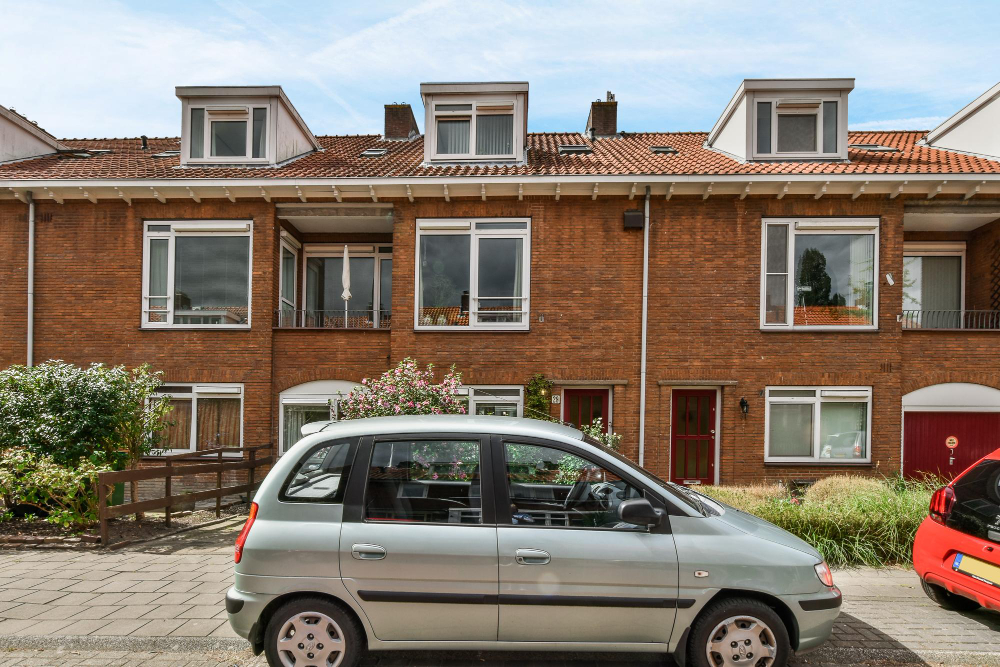
The home in which a senior lives is usually exempt from the Medicaid asset test, provided the equity value does not exceed a certain limit (which can vary by state). The exemption typically applies as long as the senior or their spouse is living in the home or intends to return to it.
Household Goods and Personal Effects
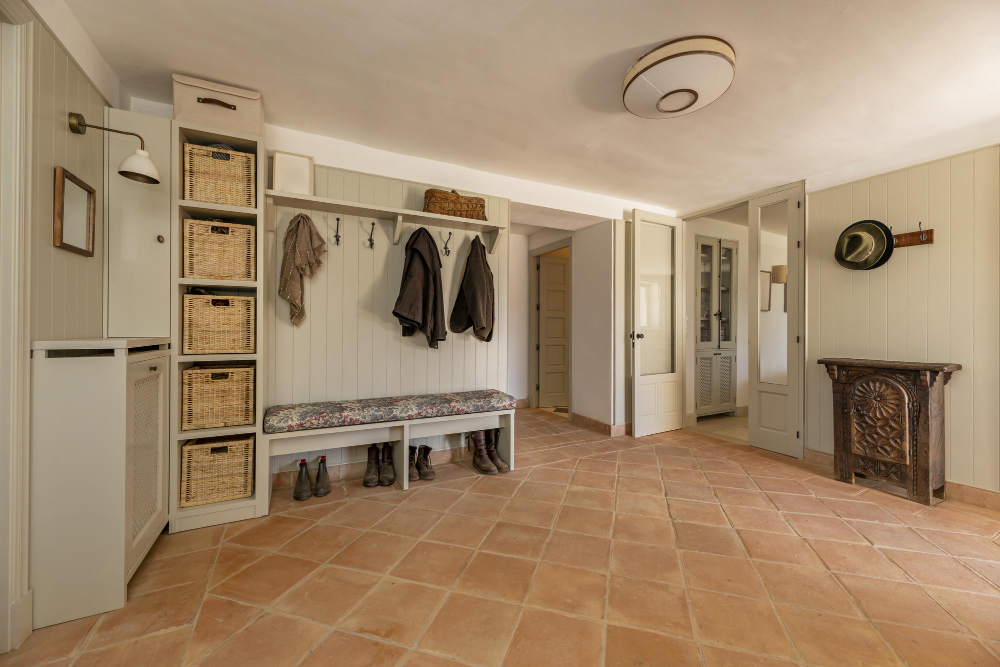
Personal belongings like clothing, furniture, and other household goods are generally not counted as assets by Medicaid. These items are considered necessities rather than countable assets.
One Vehicle
One vehicle, regardless of its age or value, is usually exempt if it is used for transportation for the Medicaid applicant or another member of their household.
Burial Spaces and Related Items
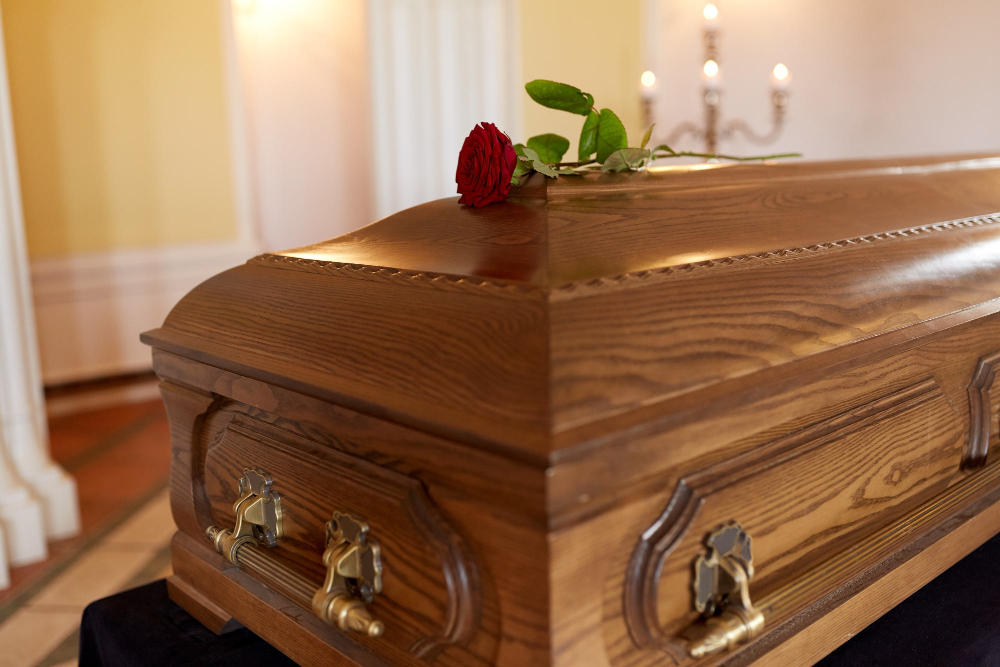
Medicaid does not count burial plots and related items, such as caskets or burial funds, within certain limits, as assets. This exemption is intended to ensure that individuals can plan their funerals without affecting their Medicaid eligibility.
Life Insurance
Life insurance policies with a face value of usually less than $1,500 are exempt from Medicaid’s asset test. Any cash value above this amount might be countable.
Property Essential to Self-Support
Properties that are essential to a person’s self-support, such as tools, equipment, or even real estate used for business purposes, are often exempted from consideration as assets.
Why Understanding Medicaid Eligibility Matters
Understanding which assets are exempt allows seniors to make informed decisions about asset management, estate planning, and long-term care options without fear of losing their Medicaid coverage. It’s about securing your quality of life while ensuring you remain eligible for the care you may need.
As you or your loved one approach the golden years, knowing the ins and outs of Medicaid’s eligibility requirements is more crucial than ever. Proper planning and understanding of exempt assets are key to maintaining eligibility and accessing necessary health services. At Utah Senior Planning, we specialize in helping seniors navigate these complex waters with personalized advice and strategic planning tailored to each individual’s circumstances.
If you’re uncertain about how your assets might affect your Medicaid eligibility or if you need help planning for the future, don’t hesitate to contact us at Utah Senior Planning. Our team is here to ensure that you have the support and guidance you need to navigate your senior years with confidence and peace of mind. Reach out today to schedule a consultation.